Exclusive: FIA asks F1 to limit swearing in television coverage
2025-10-23
47.1K
1.4K
480
Cleaning Up the Airwaves: FIA's Push for Cleaner Language in Formula One Broadcasts
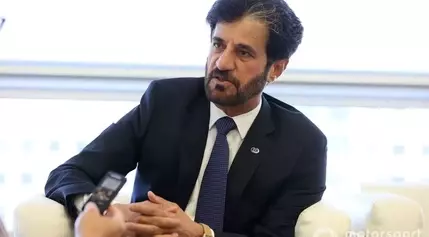
The Fédération Internationale de l'Automobile (FIA), the governing body of motorsports, has taken a stand against the growing prevalence of foul language in Formula One television broadcasts. In an exclusive interview with Motorsport.com, FIA President Mohammed Ben Sulayem revealed the organization's efforts to minimize the use of profanity and maintain a family-friendly environment for the sport's global audience.
Upholding Professionalism and Respect in the Sport
Addressing the Issue of Excessive Swearing
The FIA has expressed concern over the increasing frequency of profanity-laced outbursts from drivers during live broadcasts. While the official television feed currently employs audio bleeps to censor such language, the governing body believes that more proactive measures are necessary to curb the problem. Ben Sulayem emphasized the need to differentiate Formula One from the more permissive language often associated with other forms of entertainment, such as rap music.
Drivers' Responsibility to Monitor Their Language
As professional athletes, Ben Sulayem believes that the drivers themselves have a duty to be mindful of their language and conduct, especially in the heat of competition. The FIA president acknowledged the frustrations that competitors face, having been a rally driver himself, but stressed the importance of maintaining responsible behavior. With the widespread use of live broadcasting and recording technology, the impact of drivers' words has become more far-reaching, potentially influencing younger viewers and their families.
Collaboration with Formula One Management
In response to the FIA's concerns, a request has been made to Formula One Management (FOM) to limit the amount of foul language that is aired during television broadcasts. Ben Sulayem confirmed that the governing body has the authority to regulate the content that is presented to the public, as they had previously approved the increased use of team radio communications in the broadcast. The FIA is now working with FOM to find a balance between capturing the raw emotions of the sport and ensuring a family-friendly viewing experience.
Updating the International Sporting Code
The FIA's efforts to address the issue of inappropriate language extend beyond just Formula One. Ben Sulayem revealed that the organization has recently made changes to the International Sporting Code, which governs the conduct of all motorsport participants. These updates include a revised definition of "misconduct," specifically targeting instances where high-profile individuals make statements that incite abuse or harassment towards officials on social media.
Balancing Drivers' Freedom of Expression and Respect for the Sport
The FIA's efforts to regulate language and conduct have not been without some pushback from the drivers. When the organization introduced a rule prohibiting the display of political, religious, or personal statements without prior approval, there were concerns raised about the potential impact on athletes' freedom of expression. However, Ben Sulayem emphasized that the goal is not to stifle the drivers' voices, but rather to maintain a level of professionalism and respect for the sport and its stakeholders.
Upholding the Spirit and Ethics of Motorsport
As the FIA President, Ben Sulayem is committed to bringing a renewed focus on the spirit and ethics of motorsport. While acknowledging the importance of the sport's commercial success and the drivers' ability to "have fun and race," he believes that there must be a balance between these elements and the preservation of the sport's core values. By updating regulations and working closely with stakeholders, the FIA aims to ensure that Formula One remains a platform for thrilling competition, while also upholding the principles of sportsmanship, respect, and responsibility.