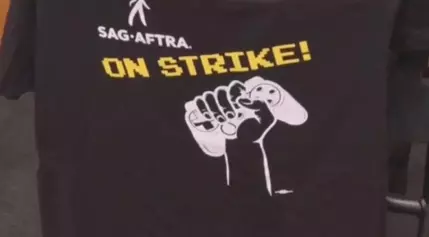
SAG-AFTRA video game actors return to picket lines
2025-10-25
37.7K
2.3K
746
Actors Demand AI Protections in Video Game Industry Negotiations
The video game industry is facing a new wave of labor unrest as SAG-AFTRA members, representing roughly 2,600 video game performers, have returned to the picket lines to protest concerns over the use of artificial intelligence (AI) in their work. The union is seeking a new contract that would require gaming companies to obtain their consent before reproducing their voices or likenesses with AI technology.
Safeguarding Performers' Rights in the Digital Age
The Resurgence of the Video Game Actors' Strike
This is not the first time video game actors have taken to the picket lines. In 2016, they went on strike to address various issues, including compensation and working conditions. However, the current dispute is primarily focused on the growing concern over the use of AI in the industry. The union argues that without proper protections, gaming companies could potentially replicate an actor's voice or create a digital replica of their likeness without their consent or fair compensation.
The AI Conundrum: Balancing Innovation and Performer Rights
The rapid advancements in AI technology have introduced a new set of challenges for the video game industry. While AI can offer exciting possibilities for enhancing the gaming experience, it also poses a significant threat to the livelihoods of the performers who bring these virtual worlds to life. The union is seeking to establish clear guidelines and safeguards to ensure that their members' intellectual property and creative contributions are respected and fairly compensated.
Negotiating for the Future: Demands and Concessions
At the heart of the current negotiations are the union's demands for AI-related protections. The performers are seeking a contract that would require gaming companies to obtain their consent before using AI to reproduce their voices or likenesses. This would not only ensure fair compensation but also preserve the integrity of the performers' work and prevent unauthorized use of their creative contributions.The gaming industry, on the other hand, may be reluctant to accept such stringent restrictions, as they could potentially limit the industry's ability to innovate and adapt to changing technological landscapes. The negotiations will likely involve a delicate balance between the performers' rights and the industry's need for flexibility and creative freedom.
The Broader Implications: Shaping the Future of the Gaming Industry
The outcome of these negotiations could have far-reaching implications for the video game industry as a whole. The way in which the industry and the union navigate the challenges posed by AI will set a precedent for how other creative industries address similar issues in the digital age.Beyond the immediate concerns, this dispute also highlights the need for a comprehensive and proactive approach to addressing the ethical and legal implications of emerging technologies. As AI continues to evolve and become more integrated into various industries, it will be crucial for stakeholders to work together to develop robust frameworks that protect the rights and interests of all parties involved.