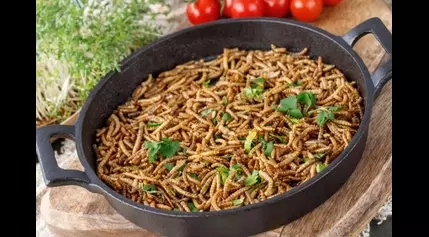
Embracing the Insect Revolution: Singapore's Bold Move to Expand Culinary Horizons
In a groundbreaking move, Singapore's state food agency has redefined the boundaries of what we consider edible, approving a diverse array of insects for human consumption. From grasshoppers to beetle grubs, this decision opens up a new frontier in the world of gastronomy, challenging our preconceptions and inviting us to explore the untapped potential of these unconventional food sources.
Unlocking the Untapped Potential of Insects
Redefining the Culinary Landscape
Singapore's Singapore Food Agency (SFA) has taken a bold step in approving 16 species of insects for human consumption, ranging from the familiar honey bee to the intriguing giant Rhino beetle grub. This decision marks a significant shift in the way we perceive and interact with the insect world, challenging the traditional boundaries of what we consider edible. By embracing these unconventional food sources, Singapore is leading the charge in redefining the culinary landscape, opening up new avenues for exploration and innovation.
Sustainable and Nutritious Alternatives
Experts view the embrace of entomophagy, or bug consumption, as a crucial step in addressing the growing environmental concerns. Many insects are not only sustainable but also highly nutritious, offering a viable alternative to traditional protein sources. Research has shown that crickets, for instance, pack more protein per pound than beef, while requiring significantly less feed to produce. This shift towards insect-based proteins holds the potential to revolutionize the way we approach food production and consumption, paving the way for a more sustainable and environmentally-conscious future.
Bridging Cultural Divides
While the idea of consuming insects may seem foreign or even unsettling to some, the practice is already commonplace in many parts of the world, from Mexico to China. By embracing this culinary diversity, Singapore is not only expanding its own gastronomic horizons but also bridging cultural divides and fostering a greater appreciation for the rich tapestry of global food traditions. This move has the potential to inspire a broader shift in attitudes, challenging the preconceptions that have long hindered the widespread acceptance of entomophagy.
Regulatory Framework for Safety and Quality
Recognizing the nascent nature of the insect industry, the SFA has developed a comprehensive regulatory framework to ensure the safety and quality of insect-based products. This framework includes guidelines for the approval of specific insect species, as well as requirements for the sourcing and processing of these ingredients. By establishing these guidelines, Singapore is paving the way for a responsible and well-regulated insect food industry, instilling confidence in consumers and fostering the growth of this emerging sector.
Culinary Innovation and Experimentation
The approval of 16 insect species for human consumption has already sparked a wave of culinary innovation and experimentation in Singapore. Local restaurants are eagerly embracing the opportunity to incorporate these unconventional ingredients into their menus, offering a diverse array of insect-based dishes, from silkworm sushi to worm meatballs. This culinary exploration not only pushes the boundaries of traditional cuisine but also presents an exciting opportunity for chefs and food enthusiasts to discover new flavors and textures, further expanding the gastronomic horizons of the city-state.