Kamala Harris Food Stamps: How her Presidency could change the way Americans are fed?
2025-10-27
15.2K
1.1K
159
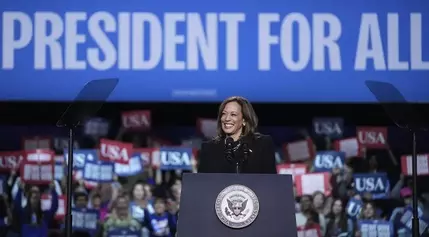
As the 2024 United States Presidential Election approaches, the political landscape is shifting, with Vice President Kamala Harris poised to take center stage. Harris, a moderate Democrat, has made food security and nutrition a key priority in her policy agenda, aiming to address the challenges faced by the 41.9 million Americans who rely on food assistance programs. This article explores the potential impact of Harris' tenure in the Oval Office on the nation's food benefits system and her efforts to ensure no one goes hungry, even in times of crisis.
Empowering Families, Strengthening Communities
Expanding Nutrition Assistance Programs
Kamala Harris recognizes the critical role that food assistance programs play in supporting low-income families and ensuring they have access to nutritious meals. During her time as Vice President, she has championed initiatives like the Closing the Meal Gap Act of 2020 (CMG Act 2020) and the FEMA Empowering Essential Deliveries (FEED) Act, both of which aimed to bolster food security during the COVID-19 pandemic. Harris has also voiced her support for the Food Donation Improvement Act and the Hunger-Free Americans Act, demonstrating her commitment to addressing hunger and improving the quality of food available to those in need.
Strengthening Regulations and Oversight
Recognizing the importance of food safety and quality, Harris has also set her sights on strengthening the regulatory framework governing the food sector. By increasing the power and authority of the Food and Drug Administration (FDA), she aims to enhance the agency's ability to monitor production standards, respond to foodborne illnesses, and ensure that the food reaching American tables is of the highest quality. This proactive approach to food safety and quality control could have far-reaching implications for public health and consumer confidence in the nation's food supply.
Tackling the Economic Challenges
Harris' efforts to bolster food security and nutrition are not without their challenges, as she faces opposition from Republican plans to cut food benefits for over 40 million Americans. Acknowledging the "historic economic crisis" and the struggles faced by families to put food on the table, Harris has vowed to provide the resources and support needed to help people make ends meet. Her commitment to addressing the root causes of hunger and food insecurity, rather than simply cutting benefits, could be a defining aspect of her presidency.
Empowering Vulnerable Communities
Beyond the policy initiatives, Harris' personal experiences and empathy for those facing food insecurity have shaped her approach. As she stated, "No one in America should ever go hungry, especially during a public health crisis." This sentiment reflects a deep understanding of the challenges faced by low-income families and a determination to ensure that no one is left behind in the pursuit of a more food-secure and nutritious future for all Americans.
Forging Bipartisan Partnerships
Recognizing the need for a collaborative approach, Harris has expressed a desire to work across the aisle to find solutions to the nation's food security challenges. By fostering bipartisan partnerships and finding common ground, she aims to build a coalition of support that can transcend political divides and deliver tangible results for the American people.As the 2024 election approaches, Kamala Harris' vision for strengthening food security and nutrition in America has the potential to resonate with voters who are grappling with the realities of food insecurity and the economic hardships exacerbated by the pandemic. Her multifaceted approach, combining policy initiatives, regulatory reforms, and a commitment to empowering vulnerable communities, could pave the way for a more equitable and food-secure future for all.