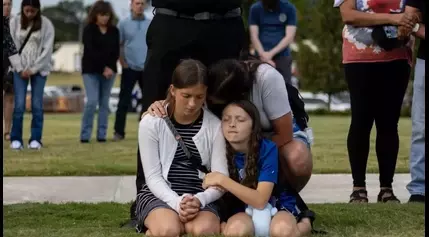
How to talk with kids about school shootings and other tragic events
2025-10-30
11.8K
942
94
Navigating the Emotional Aftermath: A Community's Resilience in the Face of Tragedy
The devastating shooting at Apalachee High School in Winder, Georgia, has left a deep and lasting impact on the community. As the nation grapples with yet another senseless act of violence, the focus now shifts to supporting the emotional and mental well-being of the students, teachers, and families affected by this traumatic event. In the wake of such tragedy, experts emphasize the importance of open communication, empathetic understanding, and accessible resources to help the community heal and build resilience.
Empowering the Next Generation: Guiding Students Through Trauma
Fostering Open Dialogue and Emotional Expression
Experts emphasize that avoiding discussions about school shootings can be detrimental, as children may seek information from less reliable sources. Parents and caregivers are encouraged to initiate open dialogues, acknowledging the complexity of the situation and validating the emotions of their children. By creating a safe space for open communication, adults can help young people process their thoughts and feelings, ultimately promoting healing and resilience.
Tailoring Conversations to Developmental Needs
The approach to discussing traumatic events should be tailored to the child's age and developmental stage. Younger children may require simpler explanations and reassurance, focusing on the safety of their environments. Older children, with a greater capacity for understanding, can benefit from discussions about their agency and ways to maintain personal safety. Regardless of age, the key is to ensure that the language used is accessible and that the child's emotional needs are addressed with empathy and support.
Fostering a Supportive Community
The responsibility for supporting children in the aftermath of a tragedy does not solely lie with parents and guardians. All adults within a child's sphere of influence, such as teachers, coaches, and community leaders, can play a vital role. By actively engaging with the children in their care, offering open-ended questions, and facilitating community-building activities, these adults can provide additional outlets for emotional expression and a sense of security during a time of uncertainty.
Navigating the Emotional Landscape
The process of coping with the emotional aftermath of a school shooting can be complex and unpredictable. Experts emphasize the importance of acknowledging and validating the wide range of emotions that individuals may experience, from grief and anger to confusion and disbelief. It is crucial to recognize that the stages of grief are not necessarily linear, and people may move back and forth between different emotional states. By normalizing these reactions and providing support, caregivers can help children and families navigate the emotional landscape with empathy and understanding.
Prioritizing Mental Health and Well-being
The impact of a school shooting extends far beyond the immediate tragedy, affecting the mental and emotional well-being of the entire community. Experts encourage families to be vigilant for signs of distress, such as anxiety, nightmares, or difficulty concentrating, and to seek professional support when needed. By prioritizing mental health resources and counseling services, the community can ensure that individuals receive the appropriate care and guidance to process their trauma and work towards healing.
Building Resilience and Hope
While the aftermath of a school shooting can be overwhelming, experts emphasize the importance of instilling a sense of hope and resilience within the community. By acknowledging the pain and grief, while also highlighting the community's strength and unity, caregivers can help children and families find the courage to move forward. This process may involve finding healthy coping mechanisms, engaging in community-based activities, and celebrating small victories along the way. By fostering this resilient mindset, the community can begin to heal and reclaim a sense of safety and security.